
Electronic Health Records (EHRs) have become a core part of how modern therapy practices operate. More than just digital note-taking, an EHR system streamlines scheduling, documentation, compliance, and communication — all within one secure platform.
For therapists, psychologists, and counselors, choosing the right EHR software isn’t just about convenience; it’s about delivering better care while protecting sensitive client information.
What Is an EHR?
An Electronic Health Record (EHR) is a digital version of a client’s paper chart. It stores detailed, real-time information about a patient’s health history, including diagnoses, treatment plans, clinical notes, progress tracking, billing, and more. Unlike a basic scheduling app or document system, an EHR is specifically designed to support healthcare workflows — and in the case of mental health, that includes secure therapy notes, telehealth, consent forms, and outcome tracking.
A well-designed EHR saves time and reduces administrative burdens, freeing you up to focus more on clients and less on paperwork.
Why Mental Health Professionals Need EHR Tools
EHR software addresses key needs in any therapy or counseling setting:
-
HIPAA Compliance: Secure, encrypted storage of all health records — mandatory for U.S.-based therapists.
-
Integrated Scheduling: Book sessions, send reminders, and manage cancellations — all within the same system.
-
Clinical Documentation: SOAP notes, treatment plans, and session progress can be created and stored easily.
-
Client Portals: Secure portals for intake forms, messaging, billing, and teletherapy access.
-
Insurance and Billing Support: Submit claims electronically, track payments, and generate superbills.
Whether you're a solo practitioner or part of a group practice, EHR tools can help you operate more professionally, stay compliant, and reduce human error.
Two EHR Tools to Consider
From the listings at CalCompanion.com, here are two top-rated EHR platforms therapists can explore:
1. SimplePractice
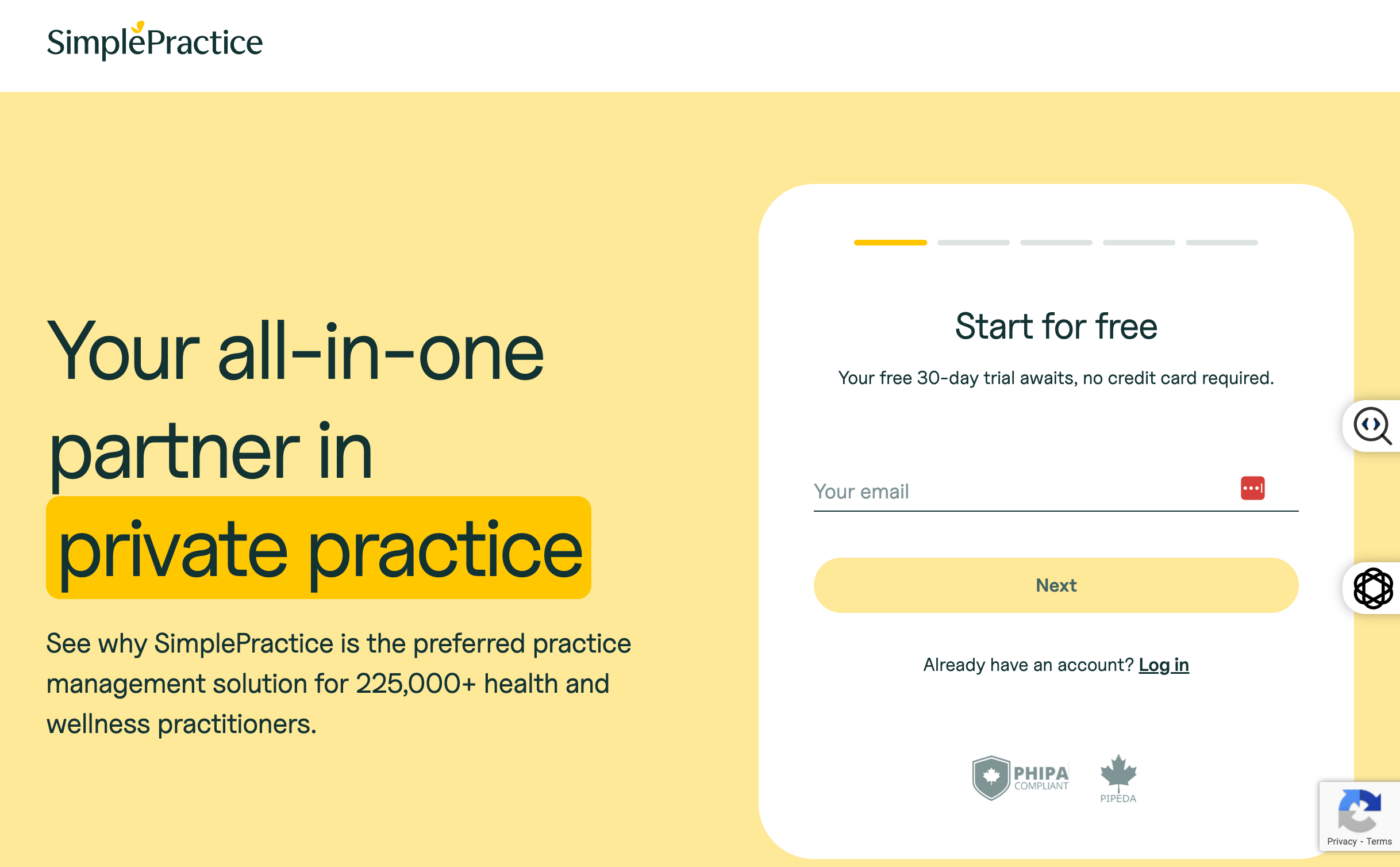
SimplePractice is a popular all-in-one solution trusted by thousands of mental health professionals. It offers HIPAA-compliant scheduling, paperless intake, secure messaging, and customizable notes. The client portal is clean and easy to use, and the integrated telehealth is fully secure.
Standout Features:
-
Customizable documentation templates
-
Calendar sync and automated reminders
-
Insurance claim filing and superbill generation
-
Group practice features available
2. Practice Better
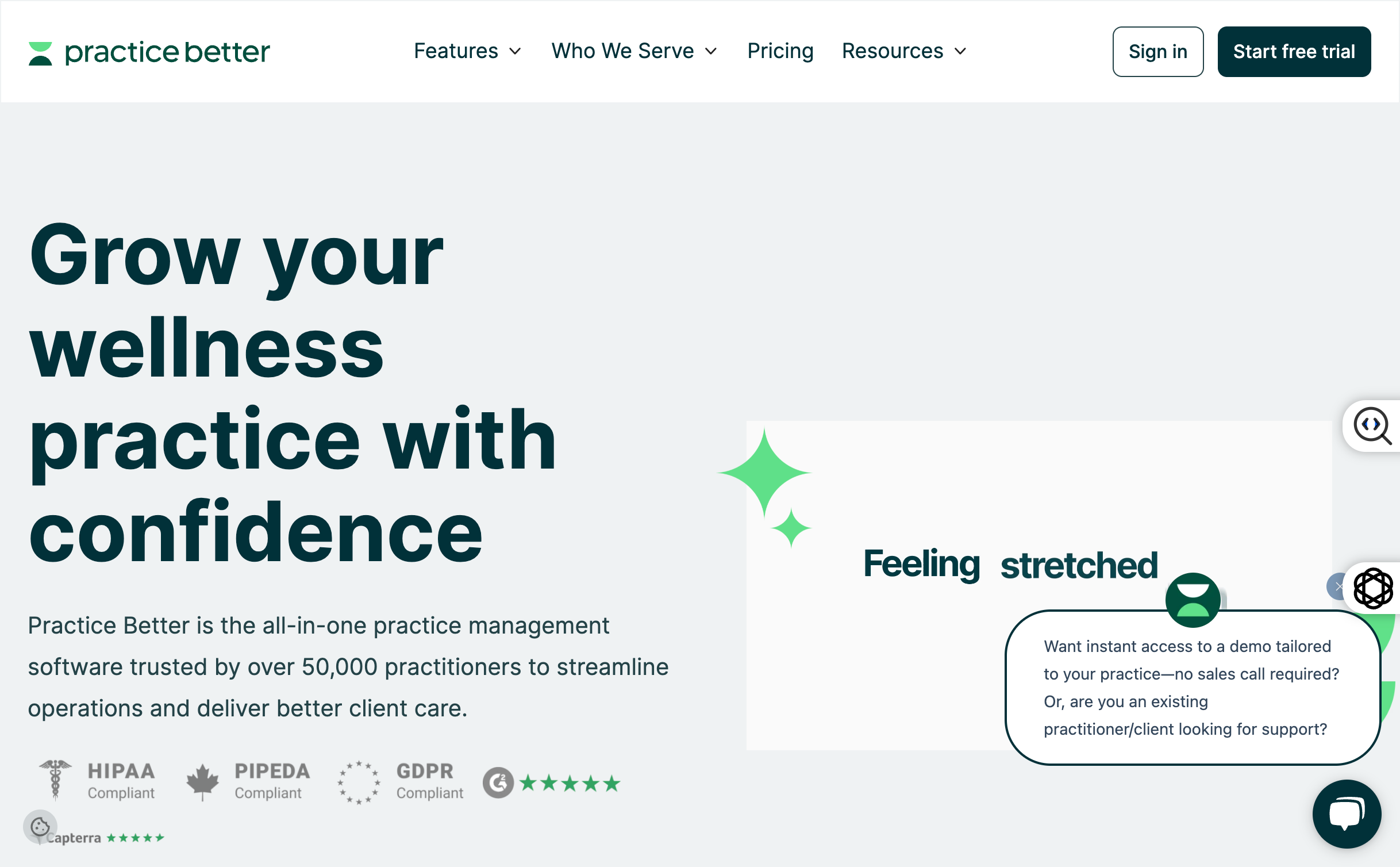
At its core, Practice Better is a secure scheduling and EHR platform. But it’s much more than a calendar. Here’s what makes it effective for wellness professionals:
-
HIPAA-Compliant Scheduling: Set your availability, let clients self-book online, and reduce the back-and-forth emails. Automated reminders help reduce no-shows.
-
Integrated EHR: Store session notes, treatment plans, progress tracking, and client files securely. Templates are available to help streamline documentation.
-
Client Portal: Clients can log in to fill out intake forms, view recommendations, access session notes, and even send you secure messages.
-
Billing & Payments: Process payments, create invoices, and track transactions — all in one place. Stripe and Square integrations make things seamless.
-
Telehealth Integration: Conduct sessions via secure, built-in video calls without juggling third-party software.
-
Workflow Automation: Trigger reminders, follow-ups, or tasks based on client actions to save time.
Both platforms offer a free trial, so you can explore the features before committing.
Pricing
Pricing for therapy EHR platforms varies based on the number of users and features you need. Expect to pay around $29–$60/month for solo use, with higher tiers for group practices. Always visit the official site for the most up-to-date pricing and plan comparisons.
Common Questions
Is EHR software required for therapy?
No, but it’s highly recommended if you want to streamline your workflow and stay compliant with HIPAA or local data privacy laws.
Can I use a regular scheduling app instead?
General apps don’t offer the legal protections or features tailored for clinical use. If you're handling sensitive client data, a therapy-specific EHR is the safer and more professional choice.
Will clients need to install anything?
Most EHR tools offer browser-based portals that are mobile-friendly — no downloads needed.
Final Thoughts
Investing in a proper EHR system is one of the smartest moves a therapist can make. It’s not just about managing your calendar — it’s about protecting your clients, simplifying your practice, and maintaining a high standard of care. Platforms like SimplePractice and TheraNest make it easier than ever to run a modern, ethical, and efficient therapy business.
Ready to explore options? Visit CalCompanion.com to compare scheduling and EHR software built for therapy practices.